Unlocking Creativity: The Rise of Open World Games in Innovative Storytelling
As we delve into the era of gaming, the rise of open world games has reshaped our understanding of immersive storytelling. With a unique blend of freedom, interactivity, and creativity, these games captivate players in ways that are both profound and engaging. This article aims to explore the remarkable evolution of open world games, their impact on the creative landscape, and how they unlock new dimensions of storytelling that traditional games often lack.
The Essence of Open World Games
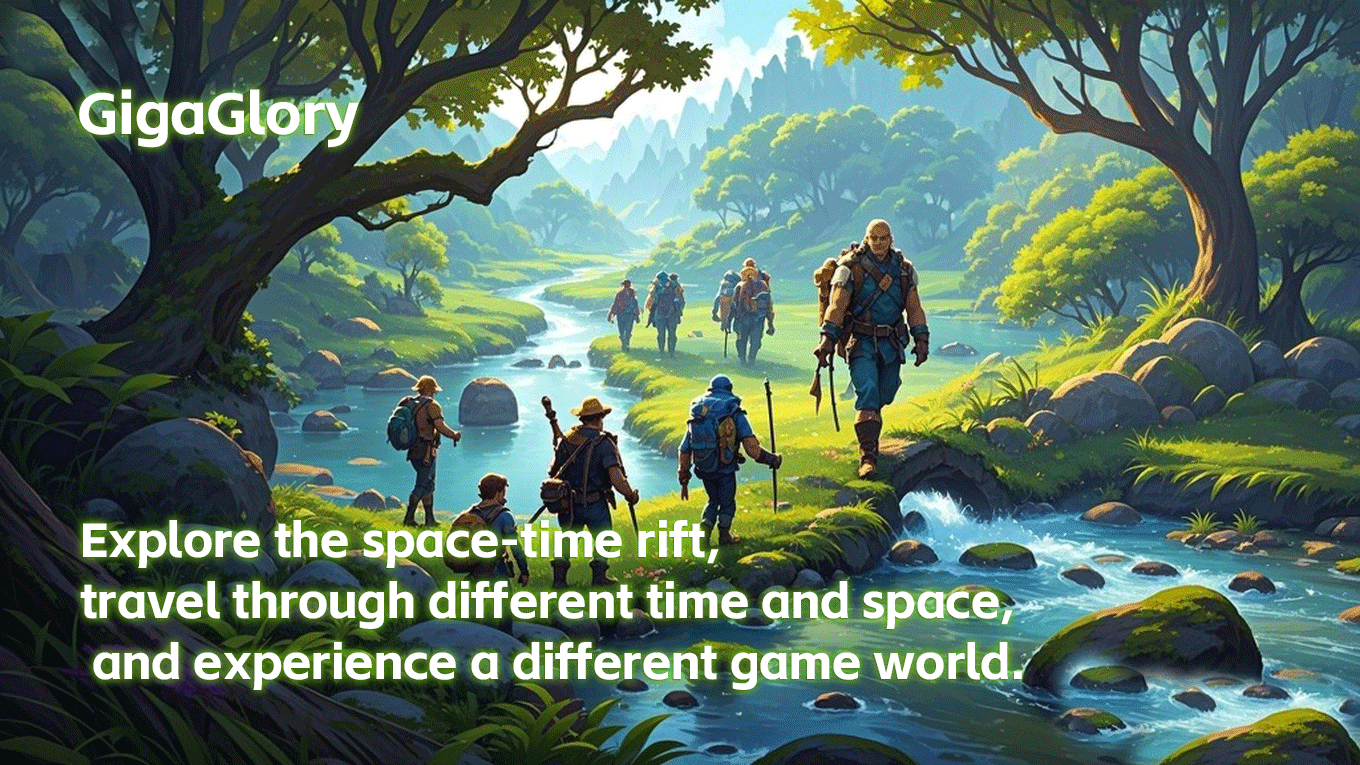
Open world games provide players with expansive environments that allow for exploration and interaction beyond linear narratives. Unlike traditional story-driven formats, players can carve their own paths, encounter diverse cultures, and engage with complex characters that contribute to a vibrant, living world. This freedom fosters creativity, enabling gamers to create unique experiences tailored to their preferences.
Expanding the Narrative Possibilities
The flexibility offered by open world games significantly expands narrative possibilities. Players can engage with quests and characters and make choices that shape the outcome of the story. For instance, embarking on side missions enriches understanding of the game world while offering a sense of agency rarely found in linear narratives.
Notable Examples of Innovative Storytelling
- The Witcher 3: Wild Hunt - Renowned for its rich storytelling and character development.
- Red Dead Redemption 2 - A masterclass in emotional storytelling and world-building.
- Breath of the Wild - Revolutionized open exploration and player agency in a well-loved franchise.
The Role of Player Agency in Creative Expression
Player agency serves as the backbone of creative expression within open world games. Gamers can decide how they want to experience the game, influencing narrative dynamics. Whether it’s choosing a benevolent or villainous path, each decision shapes the characters and outcomes, resulting in an experience that feels personal and unique.
Switching Up the Genre: The Best Story Games on Switch
The Nintendo Switch is home to some phenomenal story-driven games that utilize open-world design effectively. Below is a list featuring some of the switch best story games that exemplify storytelling in open worlds:
| Game Title | Developer | Release Year |
|---|---|---|
| The Legend of Zelda: Breath of the Wild | Nintendo | 2017 |
| Xenoblade Chronicles 2 | Monolith Soft | 2017 |
| Fire Emblem: Three Houses | 2019 |
The Social Impact of Open World Games
Open world games also have a significant social impact, promoting various modes of interaction among players. By fostering communities, these games ignite conversations, collaboration, and creativity outside the game environment. Such connectivity transforms gaming into a collective experience rather than a solitary one.
Challenges in Open World Game Development
Despite their popularity, developing open world games presents unique challenges. Managing vast amounts of content, maintaining player engagement, and ensuring a coherent narrative can be daunting tasks. Additionally, the balance between exploration and structured gameplay becomes crucial. Developers must engage players without overwhelming them with possibilities.
Leveraging Technology in Game Design
The rise of creative games lies significantly in the technological advancements that enhance storytelling. Artificial Intelligence and procedural generation tools enable developers to create dynamic environments that adapt to player choices, amplifying the feeling of immersion. Such innovations lead to richer, more diverse worlds that captivate the players' imagination.
Incorporating Player Feedback in Development
Developers increasingly rely on community feedback to shape open world games. This iterative approach allows teams to refine experiences based on player preferences and behaviors, leading to tailored content that resonates with audiences. Listening to the community not only builds rapport but also unlocks new possibilities for creativity.
Future Trends in Open World Game Storytelling
Looking ahead, we can expect more diversity in storytelling techniques within open world games. Anticipated innovations may include enhanced character-driven narratives, integration of virtual reality for immersive experiences, and cross-platform storytelling that blurs lines between gaming genres. These trends will continue to push boundaries, redefining creative expression in gaming.
Conclusion
The rise of open world games has unlocked a new realm of creativity and storytelling possibilities, enabling players to forge their own paths and narratives. With ongoing innovations and community engagement, the future looks promising for the gaming industry. As players, we are invited to step into these dynamic worlds where every choice and action contributes to the larger narrative, fostering not only entertainment but also a deeper connection to the medium itself.